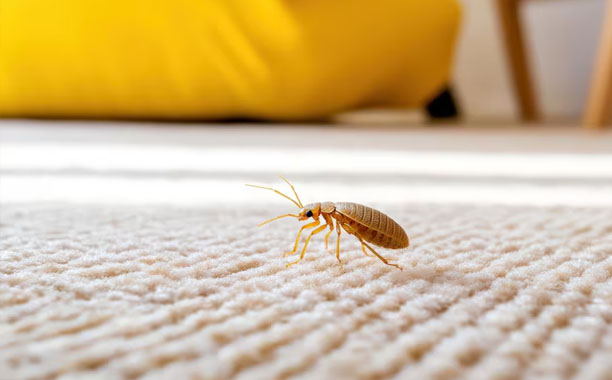
Common Summer Pests in the Philippines

During the hot summer season in the Philippines (March–May), certain pests become more active because of heat, dry conditions, and increased human activity. Here are the most common ones you’ll likely encounter:

1. Ants

  • Thrive in heat and search aggressively for food and water
  • Often invade kitchens and pantries
  • Common types: sugar ants, red ants

2. Mosquitoes

  • Still present even in dry season, especially near stored water
  • Can spread diseases like Dengue Fever

3. Cockroaches

  • Multiply faster in warm temperatures
  • Found in dark, damp places like kitchens and drains

 4. Rats and Mice

  • Seek food and cooler shelter indoors
  • Can contaminate food and spread diseases

 5. Termites

  • Active year-round but can swarm in warm weather
  • Damage wooden structures and furniture

 6. Flies

  • More active due to heat and exposed food
  • Can carry bacteria and contaminate meals

 7. Garden Pests

  • Aphids, caterpillars, and beetles attack plants
  • Common in backyard gardens and farms during dry season


Rodent Pest Control Services: Rid Your Restaurant from Rodents

Signs of Rat Presence

Although rats are sneaky, they do make their presence known. If you observe any of the following signs, contact a rodent control professional immediately.

  • Numerous rat droppings clearly indicate an infestation. A rat can produce up to 40 droppings per night. The droppings are dark brown, spindle-shaped objects that resemble large grains of rice, and they tend to be concentrated in areas where rats congregate or nest.
  • Greasy smudges and dark smears on skirting boards or along walls also suggest a rat problem; these rub marks are created by rats to help establish familiar routes.
  • Unusual noises such as scurrying, scratching, grinding or chattering sounds are another sign of trouble; these may occur at night as rats climb or move around inside walls or under floorboards.
  • Foot and tail marks may be found in dusty, isolated areas. To determine if an infestation is active, sprinkle flour along the floor, and check for fresh tracks daily.
  • Rat nests may be present in attics, crawlspaces, lofts and even in cavity walls. Nests often consist of shredded materials such as insulation, paper, cardboard and other soft materials.
  • If you suspect the presence of rats, check the vicinity for rat holes. Brown rats are known for excavating complex burrow systems for nesting, shelter and food storage. Holes are often found near well-vegetated areas and wasteland.

Bugs Pest Control Services Philippines: The Easiest Way to Get Rid of Bed Bugs

These are not bugs you want to have in your home for a single day, yet a lot of people deal with them for months. Why? Because they don’t take the easy way. They take the hard way. Which way will you take?

The Hard Way

There are a ton of tips on the internet for getting rid of bed bugs. Some references even give actual protocols used by pest control companies. But these are no ordinary pest. Bed bugs aren’t a bug that accidentally got into your home. They live almost exclusively in homes, and they have been doing this since the dawn of time. That is a long time to learn how to avoid our attempts to get rid of them.

Rather than talk about all of the many do-it-yourself pest control measures that are out there, let’s focus on the traits these bugs have that help them avoid extermination.

  • When bed bugs sense a threat, they hide from it. This can drive them deep into your walls. So, even if you think you got them, this is a pest infestation that could come back to bite you, quite literally.
  • Bed bugs are adaptive. If you use pesticides to kill bed bugs, you may make them stronger. Studies have shown that bed bugs are able to develop cuticles (skins) that are resistant to pesticides. So, your pest control measures could produce super bugs. That is probably not your goal.
  • Bed bugs do not feed constantly. When battling bed bugs, it can feel like you’re winning sometimes, but that is just an illusion. Bed bugs come out together to feed. That means, you’re not going to get continual bites. Bite events will usually happen periodically.
  • While bed bugs come out together, they don’t all come out. If you set down traps for these pests, you might kill some bugs. But you definitely won’t kill them all.